Clarify the brief
A clear brief improves the quality of machine recommendations.
Label roll specification
Label roll details affect how the applicator is configured. This guide explains core size, reel direction, outside roll diameter, label gap and backing liner information.
Selection intent
Early labelling machine research is most useful when it turns a broad idea into a clear technical brief. The aim is to reduce assumptions before a machine is shortlisted.
The strongest enquiries explain the product, pack, label, output and line context together. This makes it easier to compare suitable routes and avoid generic recommendations.
A clear brief improves the quality of machine recommendations.
Pack handling, label material and site layout can affect cost and suitability.
Installation, training and spares are part of the buying decision.
Machine routes
Most projects start with the pack shape, label position, material and output. These are the core machine routes to compare before requesting a quotation.
Best for established production where two labels need to be applied consistently in one pass.
Useful for smaller footprints, lower-volume production, trials and fast SKU changes.
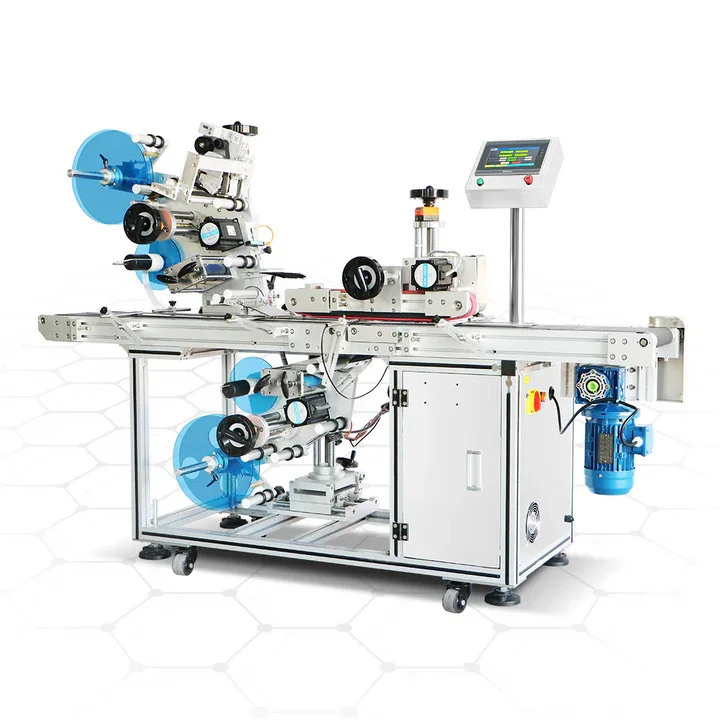
Useful for flat packs, cartons, trays, sleeves and products requiring label application to upper and lower faces.
Quote preparation
Use the guide to collect the information that normally delays a quotation: pack sizes, label sizes, label material, output, available space and integration points.
When there is uncertainty, samples or short videos of the existing manual process can be more useful than a written description alone.
Related pages
These pages help connect the search route with machine type, application and buying guide intent.
Core checklist for quote preparation.
Main buying guide.
Compare machine families.
Send the brief to Lancing UK.
It is useful for production managers, operations teams, founders, contract packers and engineers preparing a labelling machinery enquiry.
No. The guide improves the starting brief, but unusual containers, clear labels and premium presentation projects may still benefit from sample testing.
Yes. Send the details through the contact form and Lancing UK can help compare suitable labelling machine routes.
Share the pack, label material, output target and any integration requirement. The team can help you compare the most suitable compact, automatic or top/bottom labelling route.
Label-roll data
Artwork dimensions do not describe how a roll will unwind, sense and dispense. Provide the physical reel data for each label head.
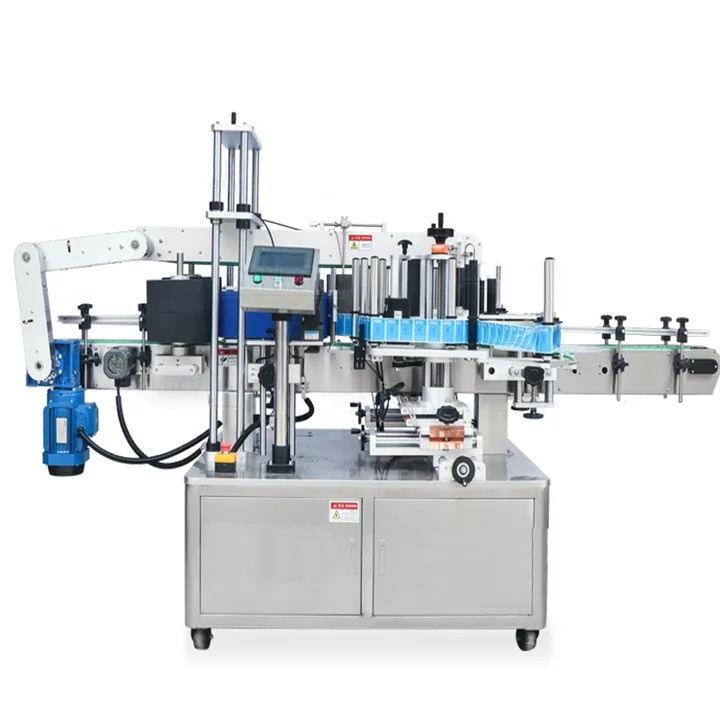
Existing labelling-machine photograph. Supply the core size, outside roll diameter, web width, label dimensions, gap and winding direction for each label roll.
| Wrong winding direction | The artwork reaches the dispense edge upside down or on the wrong face. Confirm with a physical roll-direction drawing or sample. |
|---|---|
| Backing width omitted | The label may fit but the web does not suit the reel path or guides. Record the full liner width. |
| Clear construction not declared | A conventional gap sensor may not distinguish the label from the liner. Supply the production roll for sensor testing. |
| Very small or variable gap | Dispense timing can become unreliable. Measure several pitches and confirm die-cut consistency with the label converter. |
| Roll diameter based on estimate | The reel may foul guards or require more frequent changes. Confirm the actual production outside diameter. |
Front/back reel architecture
Core diameter and reel direction are only part of a front/back label specification. The supplier also needs to know whether both designs alternate on one backing web or arrive on two independent reels for separate application heads.
| One alternating reel | Record the leading design, repeating order, pitch around each label, gap, artwork orientation and whether the two labels have different finished dimensions. |
|---|---|
| Two independent reels | Provide a separate specification for each roll, including face stock, liner, core, outside diameter, web width, winding direction, gap and sensor requirement. |
| Job identification | Use a controlled reel reference so operators can match both label rolls and the correct machine recipe during changeover. |
| Inspection | Define whether the line checks label presence, front/back identity, position, barcode and variable print on each face. |
Artwork proofs can look correct while the production reel is wound in the wrong direction, starts with the wrong design or uses a pitch that the intended sequence cannot process reliably. Confirm the machine path and converter drawing together.
Converter brief
A repeat label order should identify the approved construction, not just the artwork name and roll dimensions. A new liner, adhesive, die-cut tool, laminate or booklet format can alter feeding even when the printed design is unchanged. Keep front and back roll identities separate and ask the converter to notify you of material substitutions.
| Usable quantity | Record labels per roll for each face and whether leaders, tails or marked rejects are included in the supplied count. |
|---|---|
| Splice policy | State whether joins are allowed, how they are marked, whether adjacent labels are usable and what handling the machine supplier has approved. |
| Version identity | Tie product, language, artwork revision, material construction and front/back designation to the order and incoming reel label. |
| Layered construction | For booklets, add maximum thickness, tab and hinge locations, uniform sensing area and allowable pressure zones. |
It can be supplied that way, but the material substitution should be reviewed rather than assumed equivalent. Different liner and release behaviour may affect sensing and dispensing. Compare the proposed roll with the approved reference and repeat the relevant checks before releasing it to production.
Continue with reel-change and splice acceptance or expanded-content label qualification when those material conditions are part of the job.