Cosmetics & personal care
Creams, lotions, shampoos, pump bottles, trigger bottles and premium retail presentation.
Industries
Different industries create different requirements for container control, label material, label position, product traceability and line integration.
Creams, lotions, shampoos, pump bottles, trigger bottles and premium retail presentation.
Sauces, drinks, jars, trays, sleeves and packs where clean label alignment supports shelf presentation.
Chemical-resistant labelling routes for cleaning liquids, sprays, detergents and home-care bottles.
Flat and oval containers, jerrycan-style packs and larger bottles where label durability and position matter.
Vials, bottles, cartons and regulated packs where repeatability, traceability and documentation are important.
Flexible front/back labelling for multi-SKU production, frequent changeovers and different pack shapes.
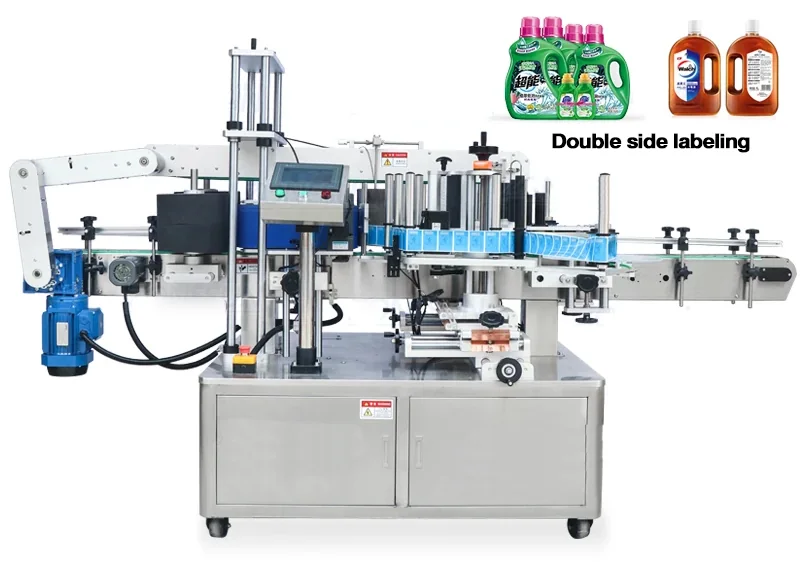
Front and back labelling machinery for cosmetics, food, chemical and healthcare projects should be selected around the pack, label, production environment and operational constraints.
Industry routes
Start with your product sector where label finish, durability and production environment shape the machine choice.
Presentation-led bottles and jars.
Safety labels, durable materials and line integration.
Ingredient, barcode and product information labels.
Flexible multi-SKU labelling requirements.
Durable labels for sprays, detergents and cleaning bottles.
Presentation-led labelling for skincare bottles and jars.
Food bottles and jars with ingredients and barcode labels.
Glass and plastic drinks bottle labelling routes.
Supplement bottles, jars, barcodes and batch data.
Labelling for pet shampoos, sprays and supplements.
Durable labelling for oils, lubricants and chemical containers.
More buyer routes
These additional pages target specific buyer searches while keeping the same site design and project enquiry path.
Personal care products often use shaped bottles, premium label finishes and multiple SKUs. Front and back labelling machinery should balance shelf presentation with repea…
Cosmetic jars and premium packs need clean label placement because small visual errors affect shelf presentation. The machine route should consider jar surface, label mat…
Healthcare, supplement and regulated product labelling projects often need consistent positioning, barcodes, batch codes and clear information panels. The machine should…
Home fragrance, candle and diffuser packs often use glass containers and premium label materials. Placement quality and sample testing are important before choosing the a…
Automotive chemicals, lubricants and maintenance products require robust front and rear labels, safety information and reliable handling across different container sizes.
Drinks bottle labelling projects may involve glass or plastic bottles, front presentation labels and rear information labels. Stability, moisture and label material shoul…
Pet shampoos, sprays, supplements and grooming products often use bottles or jars that need front branding and rear information labels with reliable changeovers.
Contract manufacturers and co-packers need flexible labelling machinery because pack sizes, labels and customers change regularly. Repeatable setup and changeover plannin…
Production environment
Industry is a useful starting point, but the final labelling specification should be based on the actual product, container surface and production environment. A label that performs well on a dry rigid bottle may behave differently on a chilled, flexible, oily or recently moulded pack.
Confirm moisture, condensation, oil, powder, cleaning residue and the time between filling and labelling. The label supplier should verify the face stock and adhesive against the production container.
Lightweight, squeezable, tall or tapered packs may need different guide pressure and support. Send filled samples where product weight changes stability.
State where batch, date, barcode or variable information will be applied and inspected. The label position must leave a stable print and camera field.
Record the production label roll, machine settings, line speed, container condition and the number of packs examined. Check both application heads for skew, lift, bubbles, wrinkles and position from the agreed datum. Where clear labels are involved, include starts, stops and normal running so the dispense sensor can be assessed.
Do not assume a result transfers automatically to another bottle material, label adhesive or pack size. Each material change should be reviewed against the handling and sensing method.
Round containers requiring a single wrap label are covered by wraparoundlabelling.co.uk. Broader bottle-labeller comparisons are available at bottlelabellers.co.uk. Variable-data case, carton or pallet labelling belongs on printandapply.co.uk. This keeps the present site centred on opposite-face and related multi-panel label application.
Further technical guidance
Multi-language packs, decorative finishes and frequent job changes create distinct material and control questions. Resolve them alongside the industry application.
Review thickness, opening tabs, sensing and finished-pack checks before selecting the label application route.
Review extended-content applicationDefine roll-end response, incomplete-pack control and first-off approval after restarting a twin-side line.
Plan material-change recoveryAssess conveyor, access and control interfaces before deciding which parts of a labelling line can be retained.
Review the retrofit scopeSensor selection · Label-roll specification · Send an application enquiry