Sensor choice
Clear labels often need a different sensor route from standard paper labels.
Clear label application
Clear labels can create a premium no-label look, but they also make sensor selection and setup more important. A clear label applicator must detect the label gap reliably and apply the film without wrinkles, bubbles or skew.
Selection intent
Clear labels are not just a design choice. The liner, adhesive, label edge, surface finish and container material can all affect detection and application quality.
Projects using transparent front and back labels should be tested with the actual label stock where possible.
Clear labels often need a different sensor route from standard paper labels.
Wrinkles and bubbles are more visible on premium transparent label designs.
Actual label stock helps avoid assumptions from artwork alone.
Machine routes
Most projects start with the pack shape, label position, material and output. These are the core machine routes to compare before requesting a quotation.
Best for established production where two labels need to be applied consistently in one pass.
Useful for smaller footprints, lower-volume production, trials and fast SKU changes.
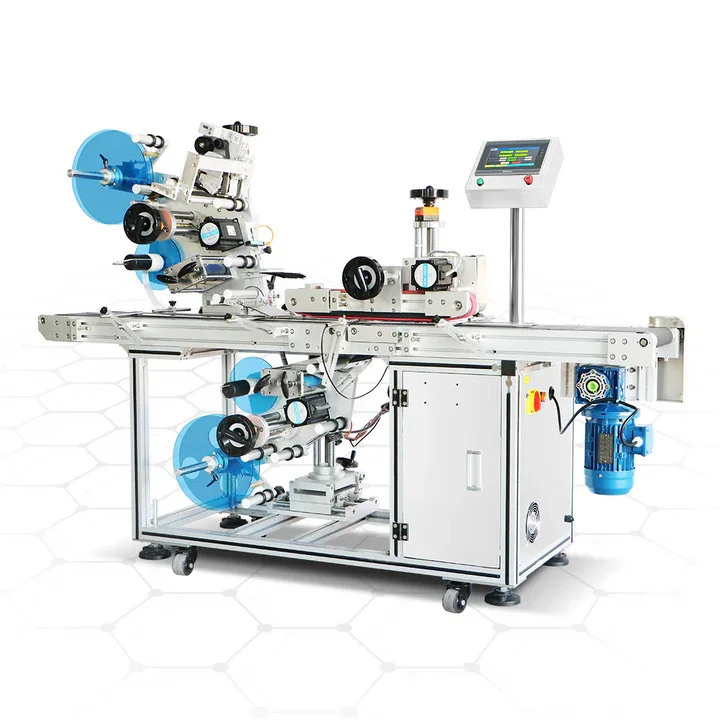
Useful for flat packs, cartons, trays, sleeves and products requiring label application to upper and lower faces.
Quote preparation
For clear label projects, send the final label stock or a sample reel wherever possible. Artwork alone will not confirm sensor performance.
Include the container material and any surface treatments, as gloss, texture, condensation and product residue can affect label presentation.
Related pages
These pages help connect the search route with machine type, application and buying guide intent.
Detailed planning guide for transparent labels.
Sensor options for different labels.
Common clear label application route.
Testing service before commitment.
The useful starting details are container dimensions, label size, label material, output target, photos of the pack and whether the labelling machine needs to connect with filling, capping, coding or inspection equipment.
Yes. Lancing UK can compare compact, automatic, twin-side and top/bottom labelling options against the pack, label material, changeover needs and output target.
Yes. Samples, drawings, label artwork and short videos of the current process help confirm handling risks before a final machine recommendation is made.
Share the pack, label material, output target and any integration requirement. The team can help you compare the most suitable compact, automatic or top/bottom labelling route.