Clarify the brief
A clear brief improves the quality of machine recommendations.
Bottle handling guide
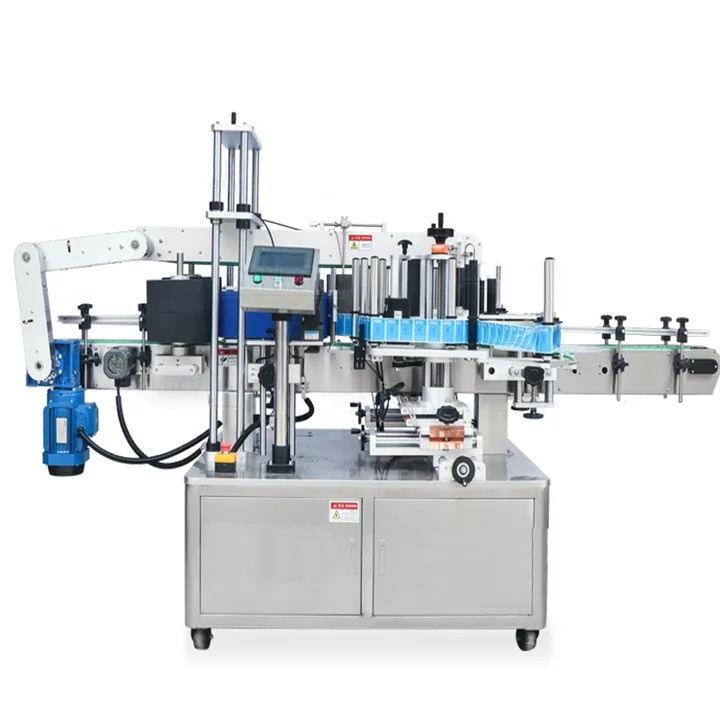
Bottle control is often the difference between clean label placement and inconsistent results. This guide covers orientation, guiding, belts and stability for front/back labelling.
Selection intent
Early labelling machine research is most useful when it turns a broad idea into a clear technical brief. The aim is to reduce assumptions before a machine is shortlisted.
The strongest enquiries explain the product, pack, label, output and line context together. This makes it easier to compare suitable routes and avoid generic recommendations.
A clear brief improves the quality of machine recommendations.
Pack handling, label material and site layout can affect cost and suitability.
Installation, training and spares are part of the buying decision.
Machine routes
Most projects start with the pack shape, label position, material and output. These are the core machine routes to compare before requesting a quotation.
Best for established production where two labels need to be applied consistently in one pass.
Useful for smaller footprints, lower-volume production, trials and fast SKU changes.
Useful for flat packs, cartons, trays, sleeves and products requiring label application to upper and lower faces.
Quote preparation
Use the guide to collect the information that normally delays a quotation: pack sizes, label sizes, label material, output, available space and integration points.
When there is uncertainty, samples or short videos of the existing manual process can be more useful than a written description alone.
Related pages
These pages help connect the search route with machine type, application and buying guide intent.
Core checklist for quote preparation.
Main buying guide.
Compare machine families.
Send the brief to Lancing UK.
It is useful for production managers, operations teams, founders, contract packers and engineers preparing a labelling machinery enquiry.
No. The guide improves the starting brief, but unusual containers, clear labels and premium presentation projects may still benefit from sample testing.
Yes. Send the details through the contact form and Lancing UK can help compare suitable labelling machine routes.
Share the pack, label material, output target and any integration requirement. The team can help you compare the most suitable compact, automatic or top/bottom labelling route.
Stabilisation methods
The same label head can produce different results when the bottle presentation changes. Handling should be tested with the pack in its real production condition.
Record the guide and belt positions, pack fill condition, conveyor speed, product spacing and any orientation sensor. Photograph the contact points and note whether pressure changes the bottle shape. Check the first packs after a stop, normal steady running and the last packs before a roll or batch change.