Label trials and sample testing
Prepare samples and agree the practical trial scope.
Practical answer
A sample trial demonstrates performance only for the defined samples, machine configuration and test conditions; it does not automatically validate every future SKU.
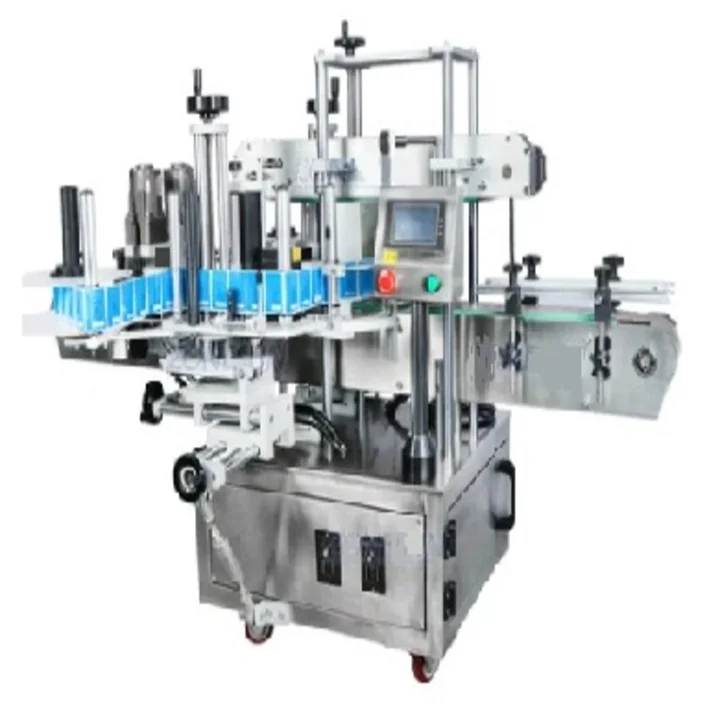
A useful sample trial starts with a written question: for example, whether an oval bottle remains oriented, whether a clear label is detected, or whether a stated placement tolerance can be measured. The sample set and test method should match that question.
Record the material versions, machine settings, run conditions and acceptance result so the evidence is not separated from the conditions under which it was produced.
The bottle or pack, fill condition, closure, both label rolls, liner, print, adhesive, label position and intended line speed should represent production as closely as practical. Include the difficult ends of the approved format range, not only the easiest pack.
Where a substitute is used, state which property it reproduces and which performance question remains open.
Record the machine configuration, guide and head settings, sensors, product gap, speed, placement from agreed datums, skew, label finish, missed or double labels, starts, stops and changeover observations. If inspection is included, record the challenge samples and confirmed reject outcome.
A video without conditions and measurements is useful context, not a complete acceptance record.
A trial does not prove untested pack sizes, different label constructions, future mould changes, long-term component wear, site utilities, operator competence or the behaviour of upstream and downstream equipment that was not present. A short successful burst also does not prove sustainable production output.
Use FAT, SAT, training and maintenance evidence to cover the remaining project stages.
Repeat the affected checks when the bottle, closure, fill condition, label construction, artwork position, target output, sensing method or handling design changes materially. Re-test after a provisional-label trial and when the final acceptance criteria were not available during the first run.
The decision should be based on changed risk, not on an arbitrary calendar interval.
| Evidence stage | Question answered | Typical limitation |
|---|---|---|
| Sample trial | Can the defined sample be handled and labelled? | May not include the complete production line or final materials |
| Factory acceptance test | Does the supplied machine meet the agreed factory test? | Site utilities and interfaces may be simulated |
| Site acceptance test | Does the installed system perform with site conditions? | Long-term wear and future SKUs remain outside the test |
| Production monitoring | Is performance sustained in normal operation? | Requires consistent records and controlled changes |
Related answers
Use the most relevant next page rather than treating one answer as the complete machine brief.
Prepare samples and agree the practical trial scope.
Carry evidence through factory and site acceptance.
Define datums, tolerance and measurement method.
Send container photographs or drawings, both label specifications, the target output and details of the surrounding line. Lancing can confirm the most suitable machine route and the evidence needed for a sample trial.