Vision and reject guide
Plan presence, position, code and tracking checks.
Practical answer
Validation must prove the complete chain from a defined label defect to the correct physical pack being removed or the line entering the agreed safe response.
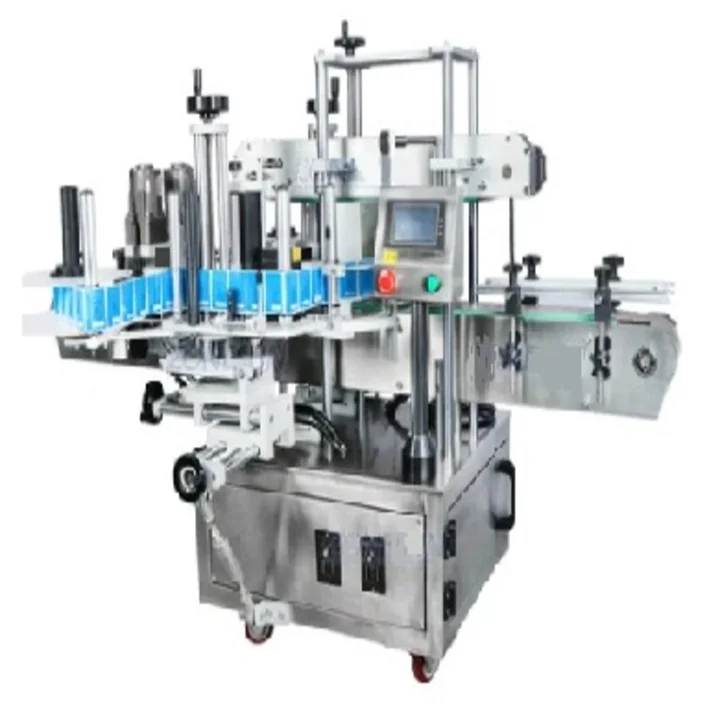
Validation needs known good packs and deliberately created defects that represent the agreed inspection scope. Each challenged pack must be identifiable from image capture through tracking and physical rejection.
Include close product gaps, starts, stops, consecutive rejects and a reject-device fault so the test proves the complete decision-and-removal sequence rather than the camera alone.
Define whether the system checks label presence, duplicate labels, horizontal or vertical position, skew, artwork identity, variable print, barcode data or another visible feature. Each defect needs an acceptance threshold and a representative challenge sample.
A broad requirement to “inspect the label” is not testable and can create false confidence.
Introduce known faulty packs at controlled positions and vary the gaps around them. Confirm that the control system associates each decision with the same pack through every conveyor movement to the reject point. Repeat after stops and restarts.
Where the line uses counts or encoder distance, test conditions that could cause a count to be lost or a pack to slip.
Use reject confirmation appropriate to the mechanism, such as a sensor that detects the pack entering the reject path, together with a controlled response when confirmation is absent. Check that the good-product path cannot receive the failed pack and that the reject container or area is managed.
The required response must be agreed during the risk and quality review, not improvised during commissioning.
Include known good packs and representative defects at the edges of the agreed tolerance: missing labels, shifted labels, skew, wrong artwork or unreadable codes where those checks are in scope. Use the real container, label finish and normal reflections.
Retain the challenge set definition and results so the system can be checked after lighting, camera, recipe or conveyor changes.
| Validation step | Evidence | Failure to avoid |
|---|---|---|
| Defect definition | Approved acceptance criteria and challenge samples | Camera tuned to an undefined visual judgement |
| Image decision | Recorded pass/fail result for each challenge | Good and bad packs confused by reflection or artwork change |
| Pack tracking | Correct identity through varied gaps and stops | Reject command applied to the following pack |
| Physical rejection | Confirmed removal and agreed fault response | Failed pack remains in the accepted-product path |
Related answers
Use the most relevant next page rather than treating one answer as the complete machine brief.
Plan presence, position, code and tracking checks.
Carry challenge tests into factory and site acceptance.
Define signals, conveyor response and downstream interfaces.
Send container photographs or drawings, both label specifications, the target output and details of the surrounding line. Lancing can confirm the most suitable machine route and the evidence needed for a sample trial.