Roll not centred
The web enters guides at an angle and gradually walks toward one side of the peel plate.
Applicator setup guide
A practical guide to the label path from unwind roll and sensor to peel edge, product contact, wipe-down and waste-liner take-up.
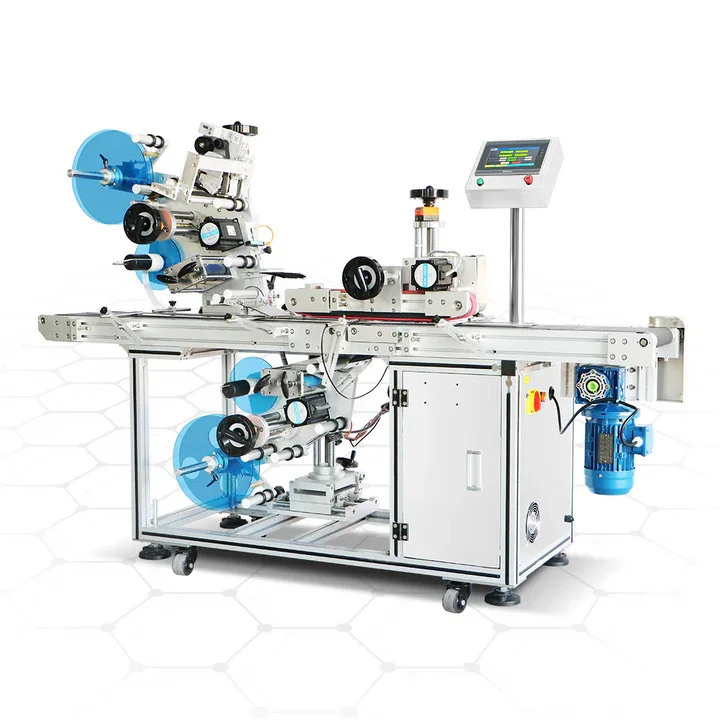
A label head can only dispense repeatably when the roll unwinds smoothly, the liner remains aligned through the sensor and peel plate, and the waste backing is taken up without sudden tension changes. A fault at the unwind can appear later as variable label position, double feed or a liner break.
Record the approved web route with photographs or a diagram. During changeover, thread the liner exactly as intended and check that every roller turns freely and remains clean.
Web tracking
The web enters guides at an angle and gradually walks toward one side of the peel plate.
Telescoped rolls, damaged edges or inconsistent tension can create changing lateral force.
Guides that pinch the web create drag and may wrinkle the liner or disturb transparent labels.
Adhesive, dust or label fragments change friction and can pull one edge more strongly.
A waste roll building to one side can steer the liner away from the intended path.
Excessive or inconsistent unwind resistance can affect dispense timing and liner stability.
Application contact
| Peel edge | The liner changes direction sharply so the label separates. Damage or adhesive build-up can alter the release point. |
|---|---|
| Label presentation | The dispensed label must reach the product at the intended angle without sagging, folding or being struck by a guide. |
| Product trigger | The label delay is measured from a repeatable product event. A moving or inconsistent trigger point changes placement. |
| Dispense speed | Coordinate label movement with product speed so the label is transferred rather than dragged or compressed. |
| Wipe-down | Apply controlled pressure across the label without rotating or deforming the pack. Different faces may need different settings. |
| Fresh-edge protection | Position downstream guides and belts so they do not catch a newly applied label edge. |
Diagnostic table
| Placement changes gradually | Look for web walking, take-up build, roll movement, contamination or changing unwind resistance. |
|---|---|
| Sensor intermittently misses gaps | Check web position through the sensor, label construction, gap consistency, teach setting and transparent-label requirements. |
| Liner wrinkles or tears | Inspect guide pressure, roller alignment, peel edge, take-up tension and damaged roll edges. |
| Label stays on liner | Check peel angle, label/liner construction, speed relationship, peel-edge condition and application geometry. |
| Label flags before contact | Review label length, dispense distance, static, air movement, presentation angle and product arrival timing. |
| One head behaves differently | Compare that head’s roll, web path, sensor, peel plate, take-up and recorded format settings with the stable head. |
Use the label-roll specification guide for reel data, the sensor guide for gap detection and the troubleshooting guide for the wider diagnostic sequence.
Record the label-roll batch, web path, sensor indication, head settings, running speed and clear photographs of the liner and peel plate. Lancing can use the evidence to focus the next check.