Label roll specification
Record web, core, gap and winding data.
Practical answer
Product gap is the spacing between packs on the conveyor; label gap is the separation between labels on the backing liner. They affect different sensors and timings.
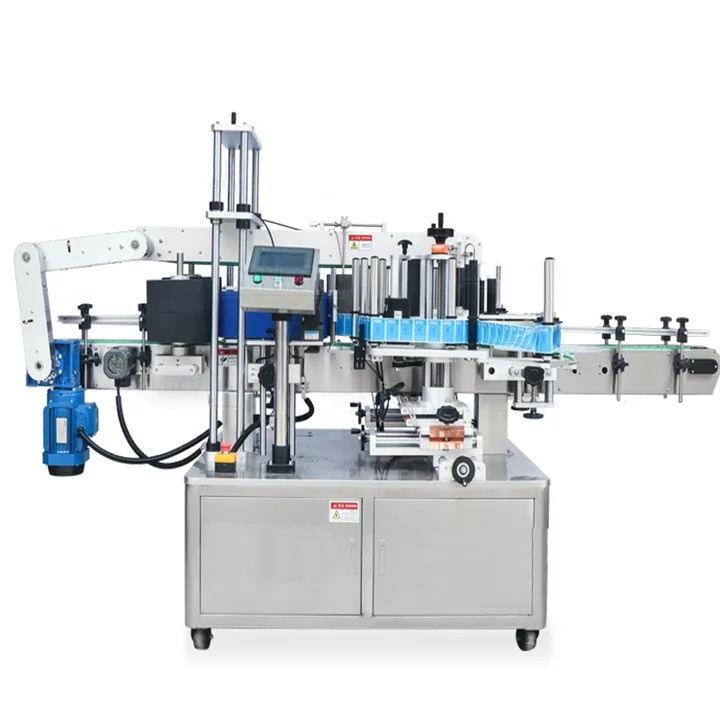
Product gap is measured on the conveyor between successive packs, while label gap is measured on the release liner between successive labels. They belong to different control loops and need different evidence.
Provide line video or spacing data for the product flow and a production label roll for web measurement; do not use one figure as a substitute for the other.
Product gap determines the time available for detection, label dispensing, wipe-down and head reset before the next pack arrives. Too large a gap reduces line output; too small or inconsistent a gap can cause overlapping control zones, missed cycles or unstable entry into side belts.
State the normal and minimum pack spacing at the intended conveyor condition, not only bottles per minute.
The label sensor must distinguish one label from the liner and identify the transition to the next gap. Gap size, liner, face material, transparency, print and die-cut consistency influence signal quality and stop position.
A roll can have correct label dimensions but still need a different sensing method if the material contrast or gap is unsuitable.
Variable product gap changes trigger timing and can allow packs to bunch at stabilising devices. Variable label gap changes the detected stop point and may produce label-position drift, false gaps or missed labels. The symptoms can look similar at the finished pack even though the causes are on different parts of the machine.
Diagnose them independently using product-timing records and label-web observation.
For product gap, provide pack dimensions, intended conveyor speed or output, current spacing method, accumulation behaviour and video of the infeed. For label gap, provide the physical roll, label length and width, gap, web width, liner, transparency, winding direction and normal splice information.
Include both front and back rolls because their constructions may differ.
| Term | Measured on | Main effect | Typical evidence |
|---|---|---|---|
| Product gap | Conveyor between packs | Cycle time, stabilisation and trigger separation | Line video, pack dimensions and minimum spacing |
| Label gap | Release liner between labels | Label-edge detection and stop position | Production roll, gap measurement and material data |
| Front/back label offset | Artwork or label sequence | Independent head timing and target position | Annotated pack drawing and both roll layouts |
Related answers
Use the most relevant next page rather than treating one answer as the complete machine brief.
Record web, core, gap and winding data.
Convert product spacing into sustainable line output.
Review product control and independent application heads.
Send container photographs or drawings, both label specifications, the target output and details of the surrounding line. Lancing can confirm the most suitable machine route and the evidence needed for a sample trial.