Automatic twin-side labeller
Review independent heads and inline control.
Practical answer
Many twin-side systems can run one active head or both heads, but the exact machine controls, product path and changeover procedure must be confirmed.
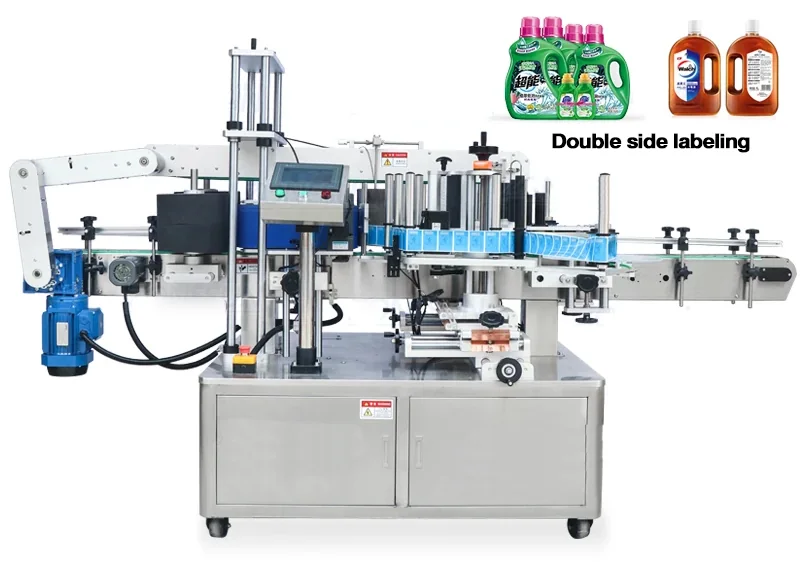
A machine that will run front-only, back-only and twin-label jobs needs those modes defined during specification, not added informally after delivery. Each mode can change active-head selection, recipes, product orientation and inspection expectations.
List the approved SKUs by operating mode and prove the changeover sequence with first-off samples before routine production.
One-label mode is useful when some SKUs need only a front or back label, when one information panel is pre-printed on the pack, or when a staged process applies the second label elsewhere. It can reduce unnecessary material handling while keeping the same controlled product path.
Include these jobs in the specification so the controls and operator procedure are not treated as an afterthought.
They may, because the two heads are configured independently, subject to each head's verified label-width, roll and sensing capacity. Different lengths affect dispense time; different materials can require different sensors, web tension and wipe-down settings.
Supply both production rolls and define each side as a separate application within the combined machine trial.
The inactive head should be placed in the condition defined by the machine manufacturer and the validated operating procedure. Controls, label web, moving parts and access must remain safe, and the inactive head must not create an obstruction or false inspection expectation.
Do not improvise by bypassing a safety or detection function simply to run a one-label job.
Check the active-head selection, recipe, product trigger, label-roll identity, head position, sensor settings, inspection logic and physical clearance of both heads. Run first-off packs and confirm the intended face is labelled while the other face remains untouched.
Record the changeover sequence so operators can restore two-label mode without hidden settings from the previous job.
| Job type | Machine questions | Acceptance check |
|---|---|---|
| Front label only | Which head is active and what is the datum? | Correct face, position and no unintended second label |
| Back label only | Does product orientation still present the correct face? | Correct information panel and inspection logic |
| Front and back | Can both heads complete within the product gap? | Both positions, finish and combined output |
| Mixed material | Does each head have the correct sensor and wipe-down? | Reliable feed and finish on both constructions |
Related answers
Use the most relevant next page rather than treating one answer as the complete machine brief.
Review independent heads and inline control.
Compare a compact route for varied jobs.
Document mode, head and format settings.
Send container photographs or drawings, both label specifications, the target output and details of the surrounding line. Lancing can confirm the most suitable machine route and the evidence needed for a sample trial.
Important distinction
A two-label pack may use one reel with front and back designs in an alternating sequence, or two independent reels on separate application heads. The first option links the designs through one web and machine sequence; the second allows separate rolls and settings. Product handling, label sizes, output, changeovers and inspection determine which route should be assessed.